Underwater Robotics
Build history of ROVs
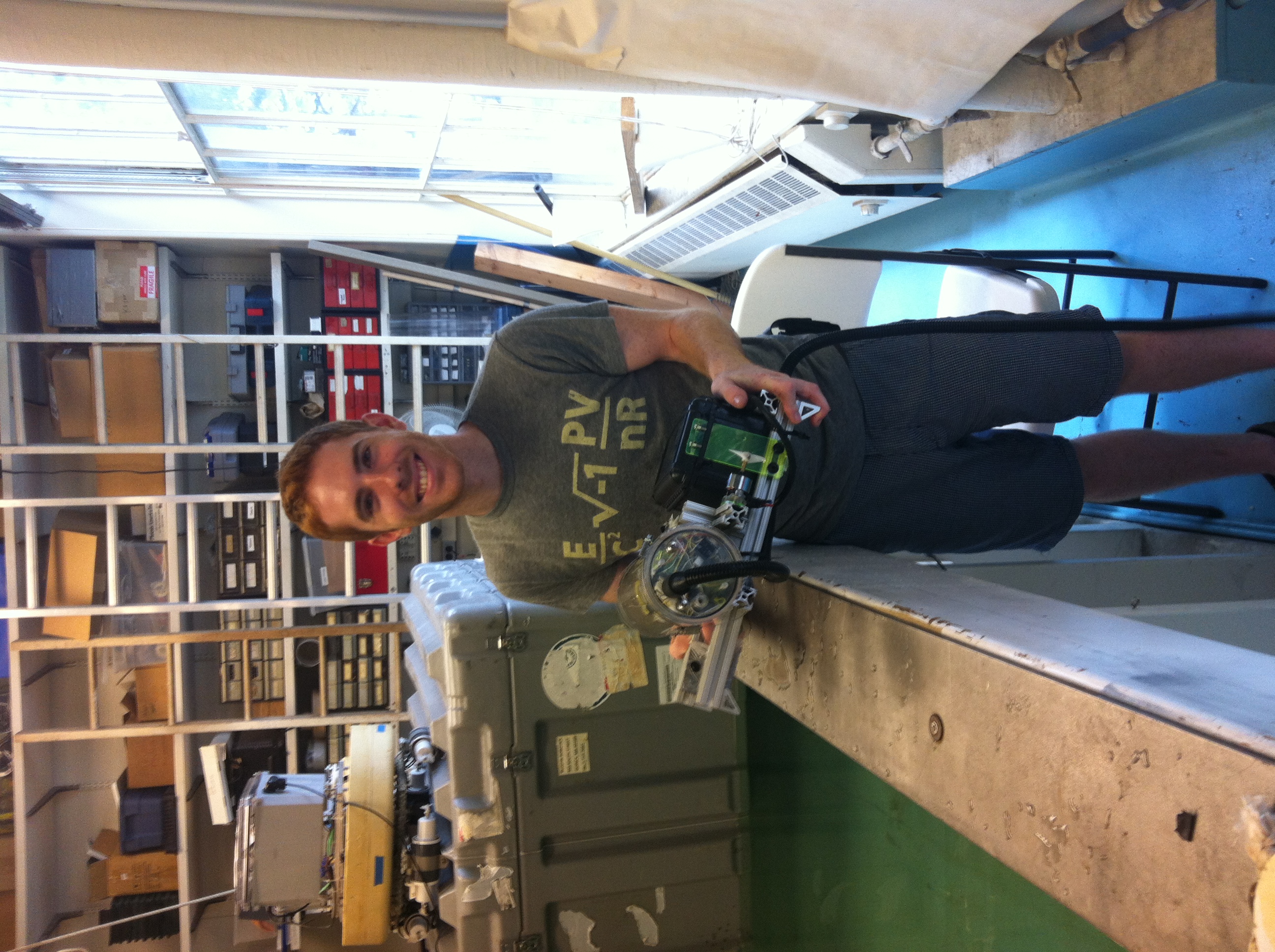
Before migrating to the automotive and control spaces, much of my engineering work focused on underwater vehicles; my degree was in Ocean Engineering!
Marine Robotics Team
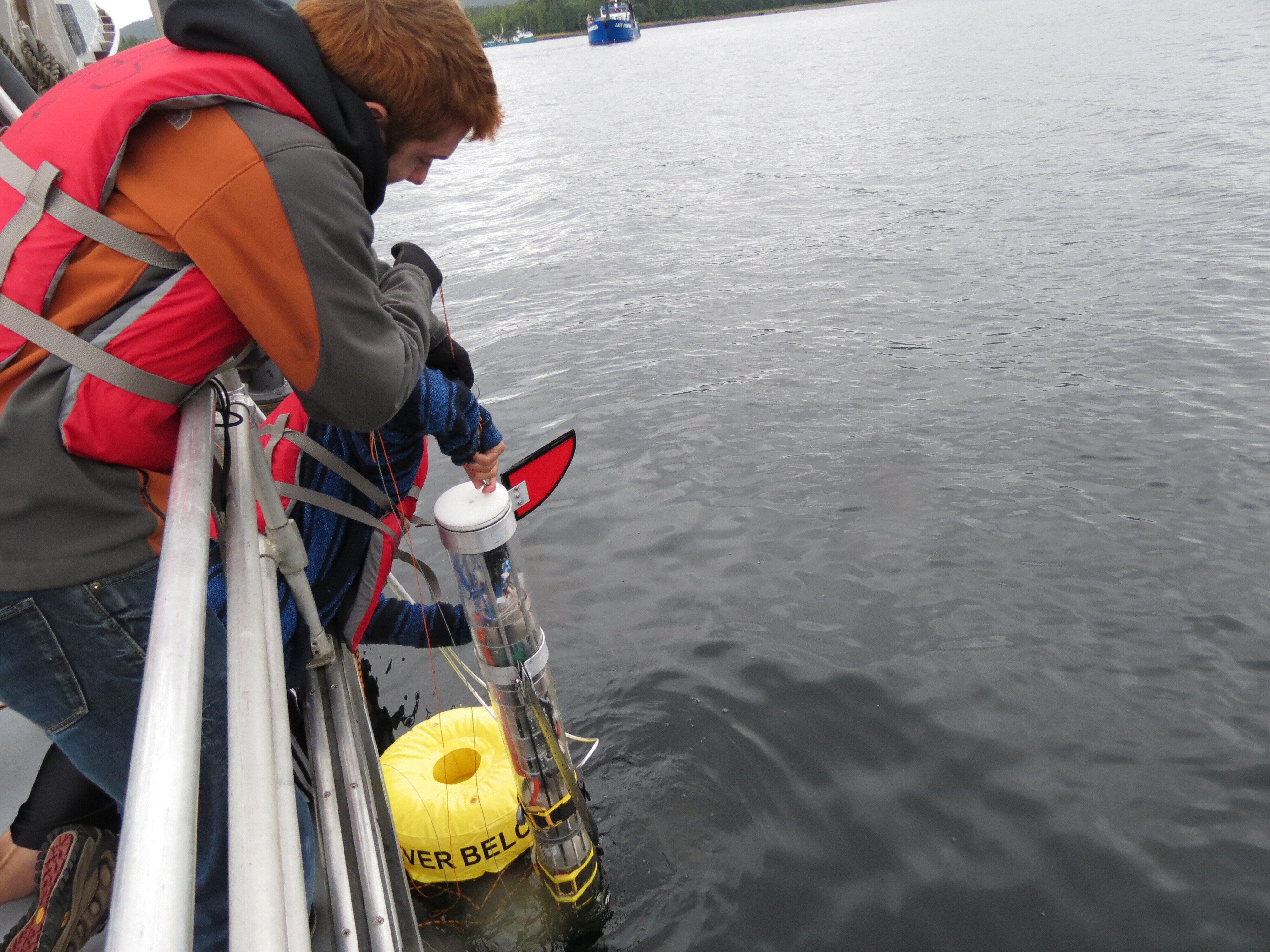
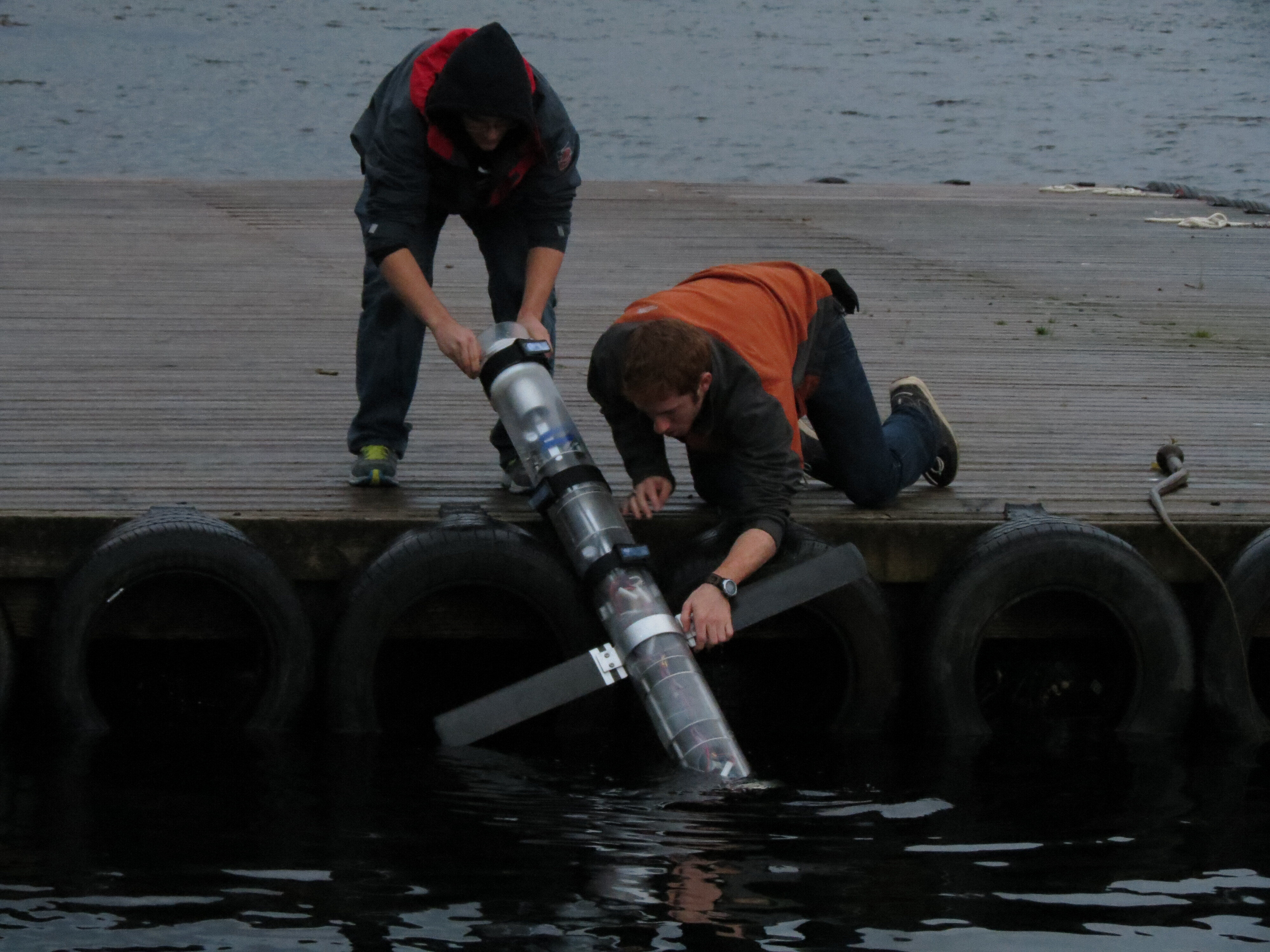
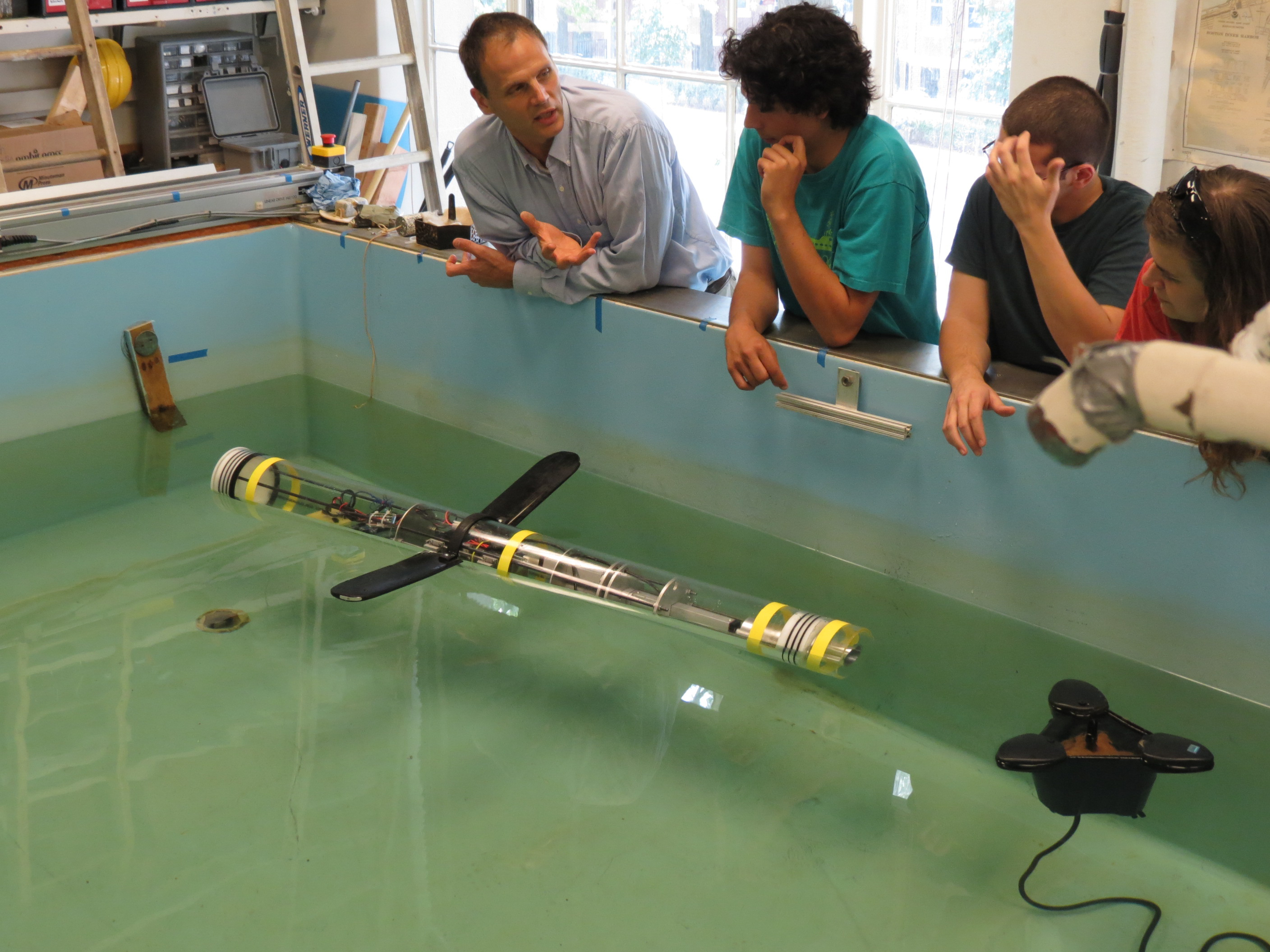
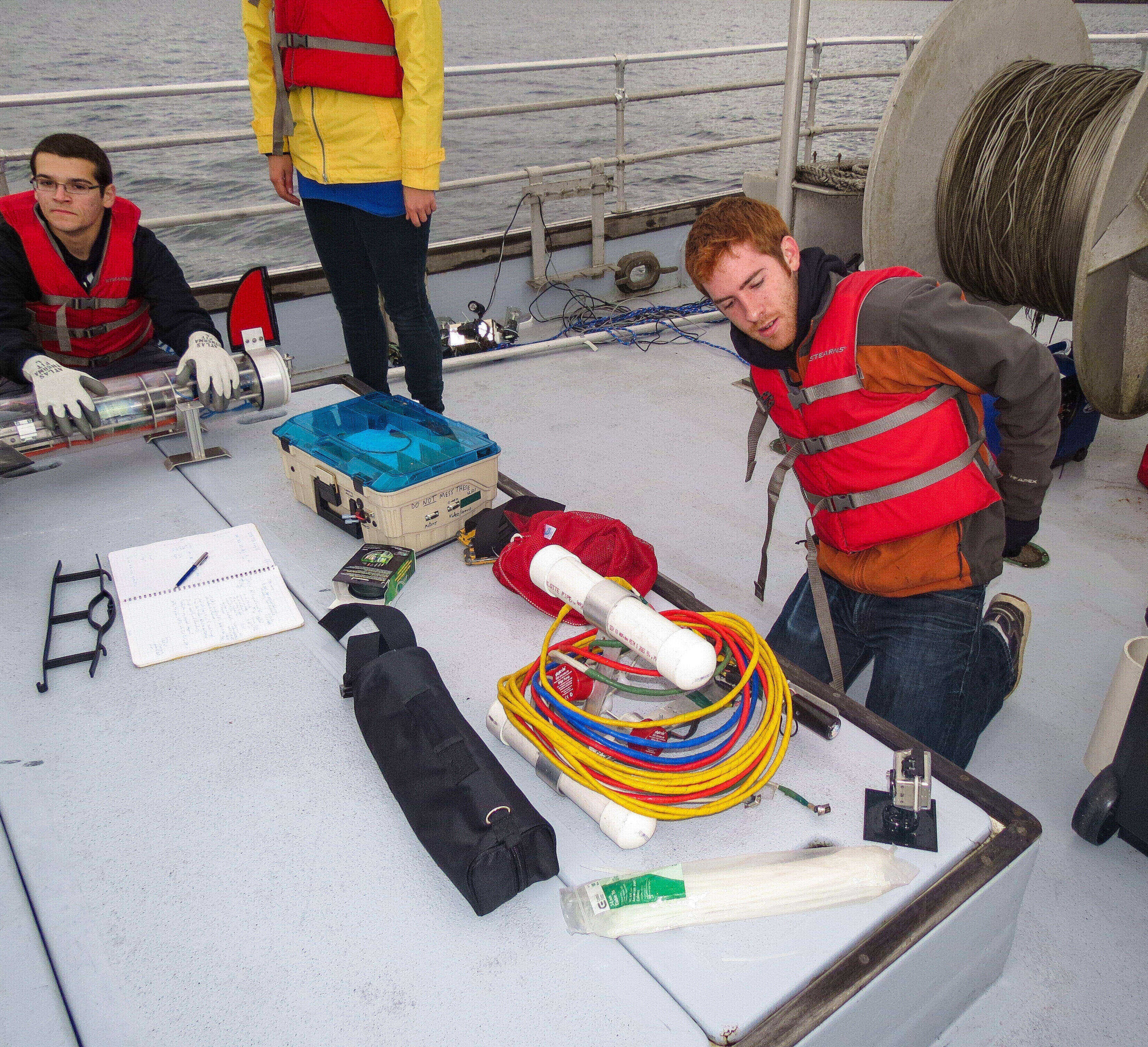
As a member of the Marine Robotics Team, I helped develop mechanical structures and design architectures for multiple underwater remotely operated vehicles (ROVs) and autonomous underwater vehicles (AUVs). The video below shows a successful untethered dive of a piston-driven glider developed by the team off the coast of Ketchikan Alaska.
Deploying prototype technology in remote environments is always an adventure. No matter how you prepare, something will go wrong in an unexpected way, or a problem will crop up that you didn’t contemplate, but seems obvious on scene. Case in point: you have a 50 lb water sausage full of electronics. How are you supposed to deploy it from a boat when you’re 6ft off the water? Apparently nose-first.
Personal ROVs
Belle
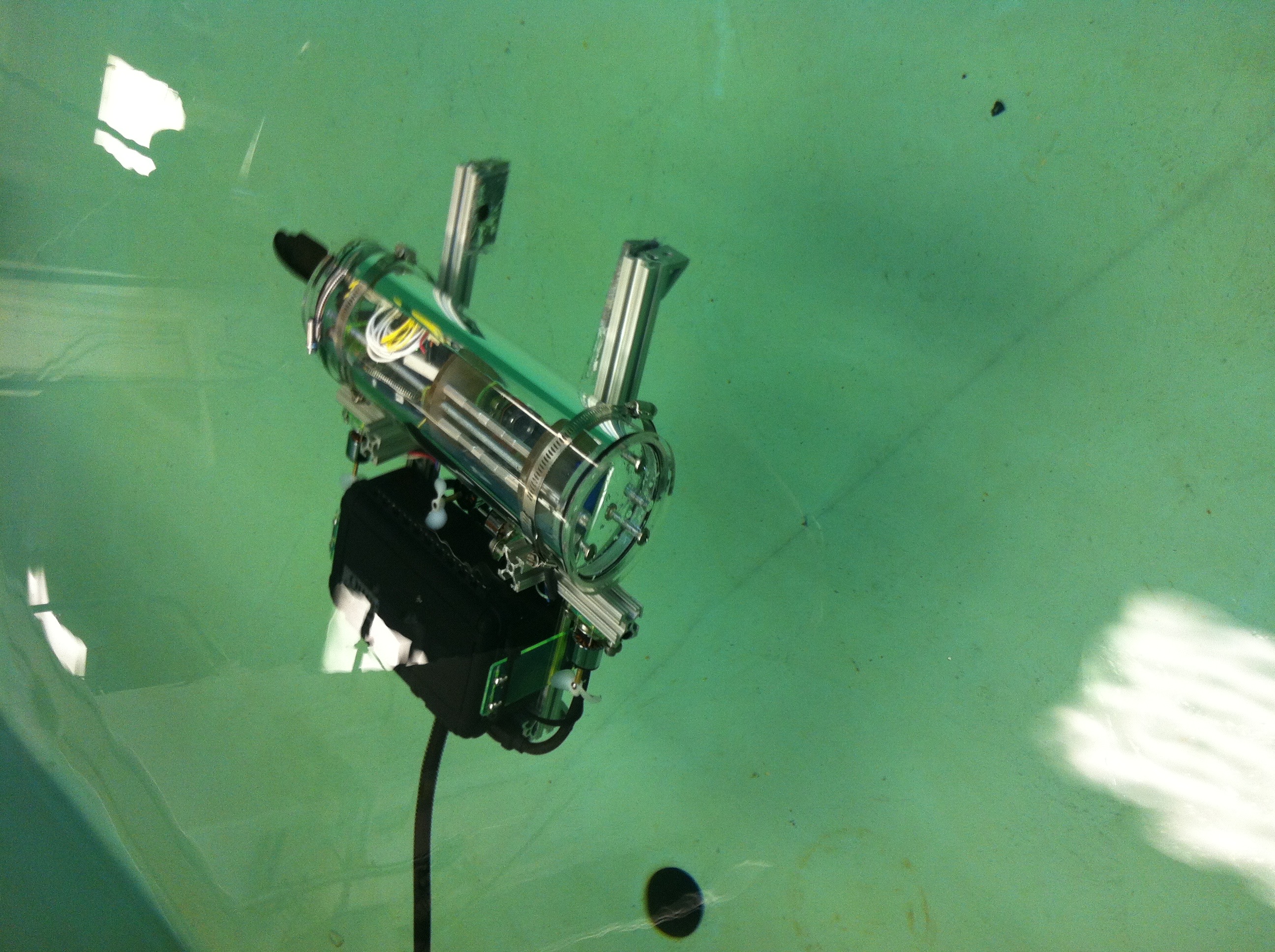
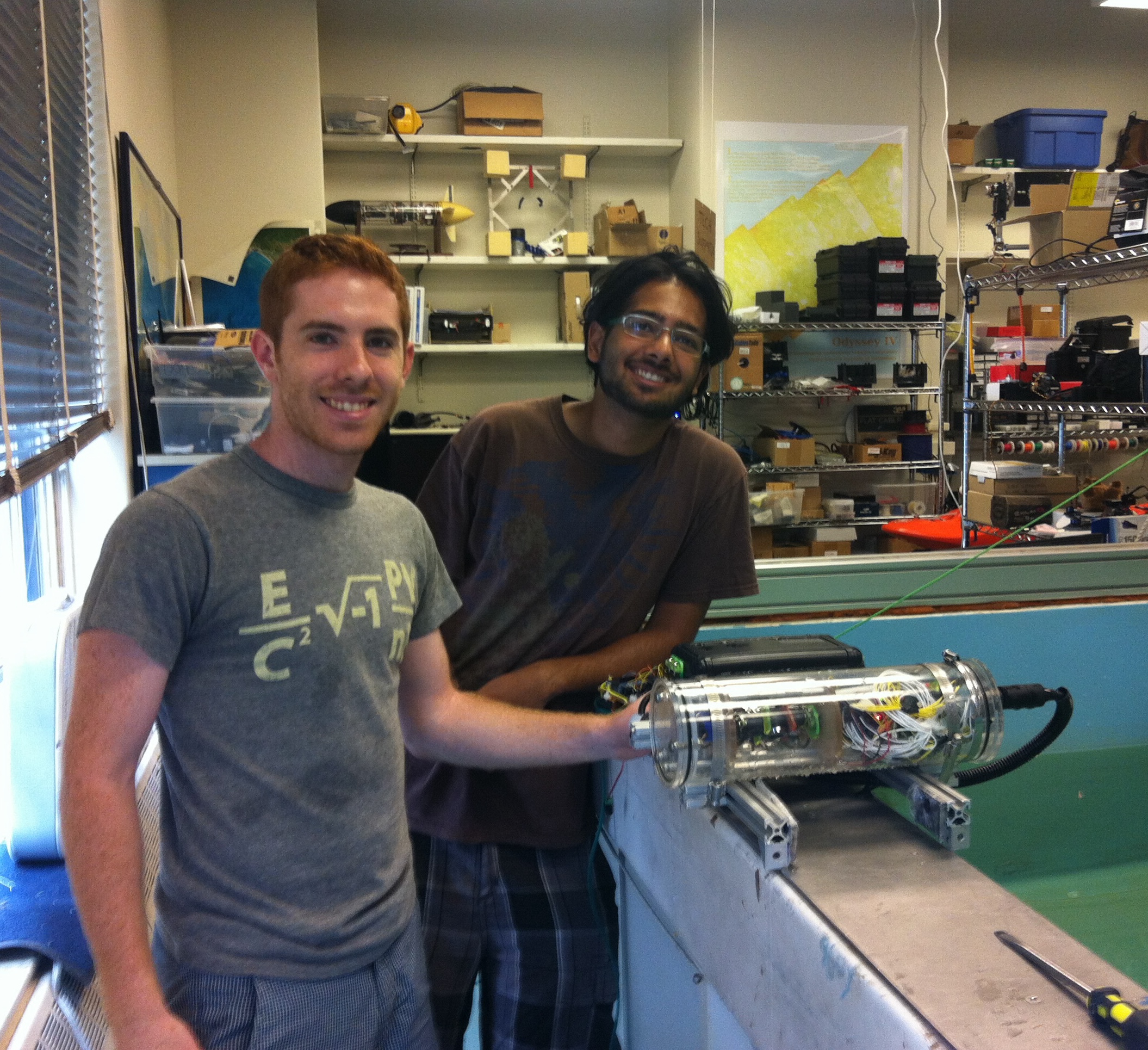
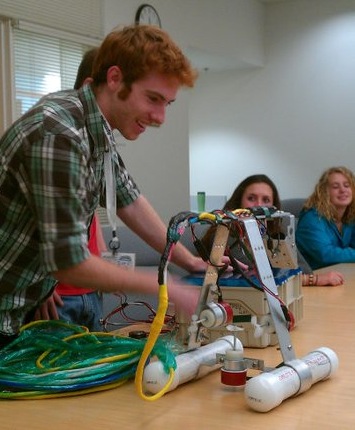
I built this ROV when I just entered undergrad, and it served as a great little vehicle for adding eyes underwater. I brought it to Alaska several times to aid in marine biology modules at the Alaska Summer Research Academy, as well as an aid vehicle for the Marine Robotics Team.
Starfish
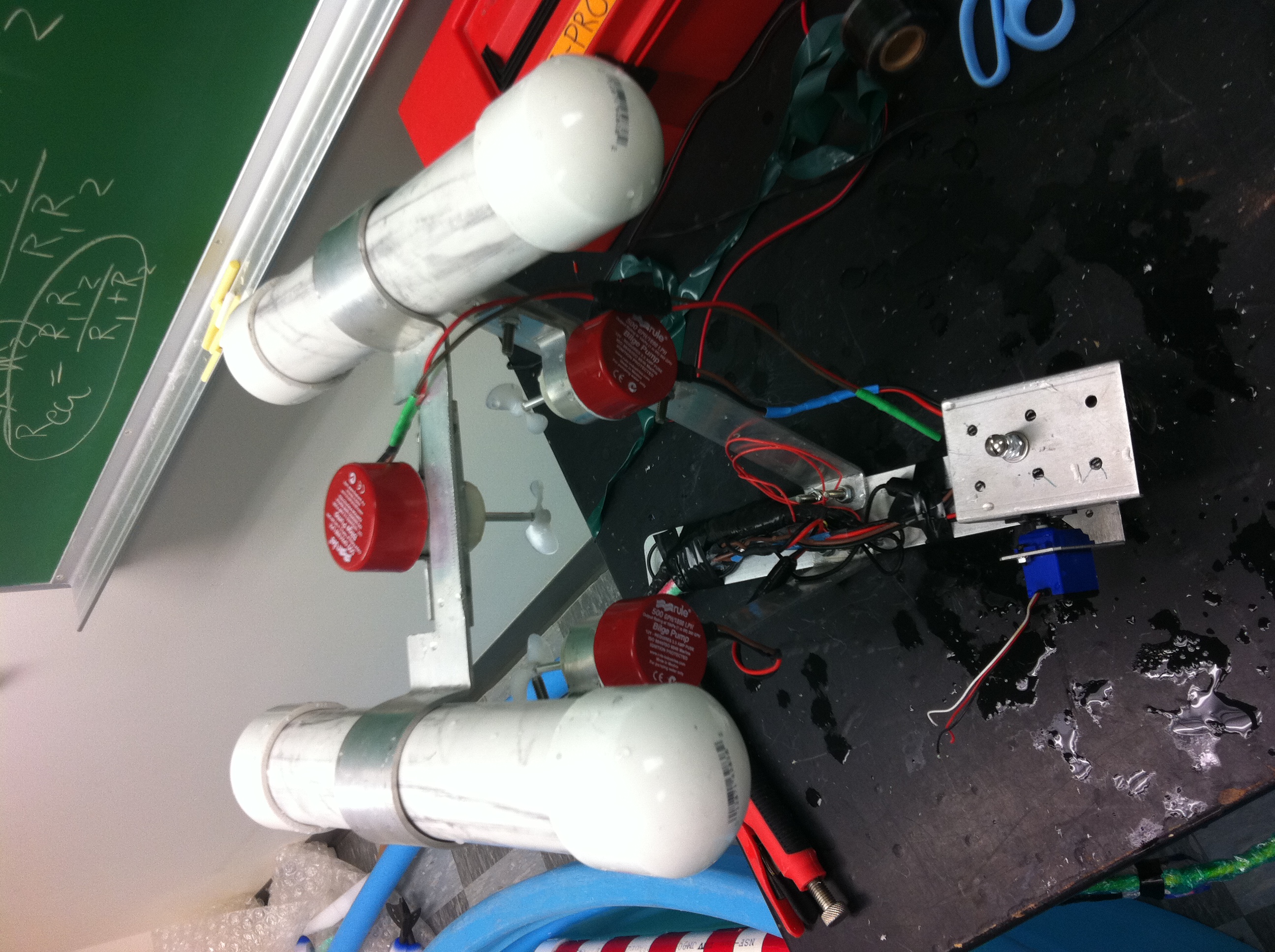
The first ROV I built.